

The Expectation Gap
The space between what patients think and how I think
There’s a gap that I face every day with patients. There’s their expectation of what’s going to happen when they come to me. And there’s the reality of the process we go through to figure it out. There are few things more misunderstood by patients than this process of working through a diagnostic problem.
I see and work around this gap every day. In fact, with nearly every encounter I actively work to manage it. But the funny thing is I didn’t really know I was managing it until just last week when I read Alexandra Sifferlin’s new book, The Elusive Body. It was here that this space between what patients think and how I think came more clear.
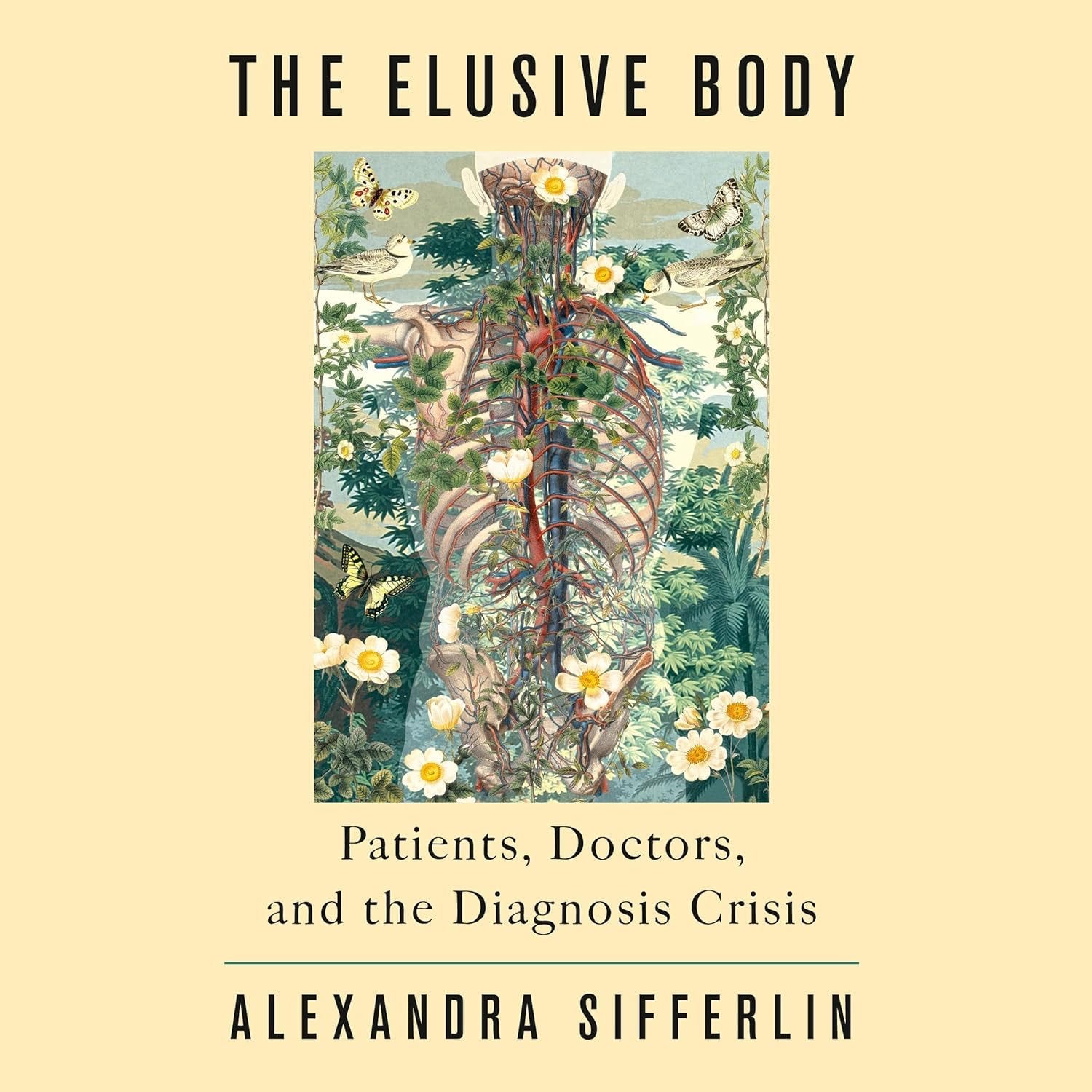
Central to Sifferlin’s book is what she calls the diagnosis crisis. This the reality that more patients than we like will go un-, or mis-, diagnosed during their search for an answer. She does a wonderful job telling the story of diagnosis. And along the way she captures what folks like me do every day and how hard it really is. And that’s before we pile on friction from the insurance industry.
I had the chance to sit down with Alexandra Sifferlin on the Liminal MD podcast. Our conversation is a great supplement to The Elusive Body.
You can also listen on Spotify:
<iframe frameborder=”0” height=”200” scrolling=”no” src=”https://playlist.megaphone.fm?e=RLIIO1815596488” width=”100%”></iframe>
She finishes her book with a discussion of AI, which will improve parts of the diagnostic process. Pattern recognition at scale will bring real gains. But Sifferlin’s title is apt in ways that go beyond what diagnostic tools can fix. The body is elusive not just because our instruments are imperfect, but because illness is deeply embedded in a person. And what we’re after isn’t always visible in patterns of symptoms and signs.
The expectation gap will outlast whatever we build to bridge it. Narrowing the gap requires us to admit that we’re navigating uncertainty together. That’s where the encounter should start.
I see this gap all the time in my peds cardiology practice, especially with chest pain. Families want to know what it IS. I tell them I want to know what it is NOT (ie a rare cardiac cause). Calling this out has been immensely helpful.